

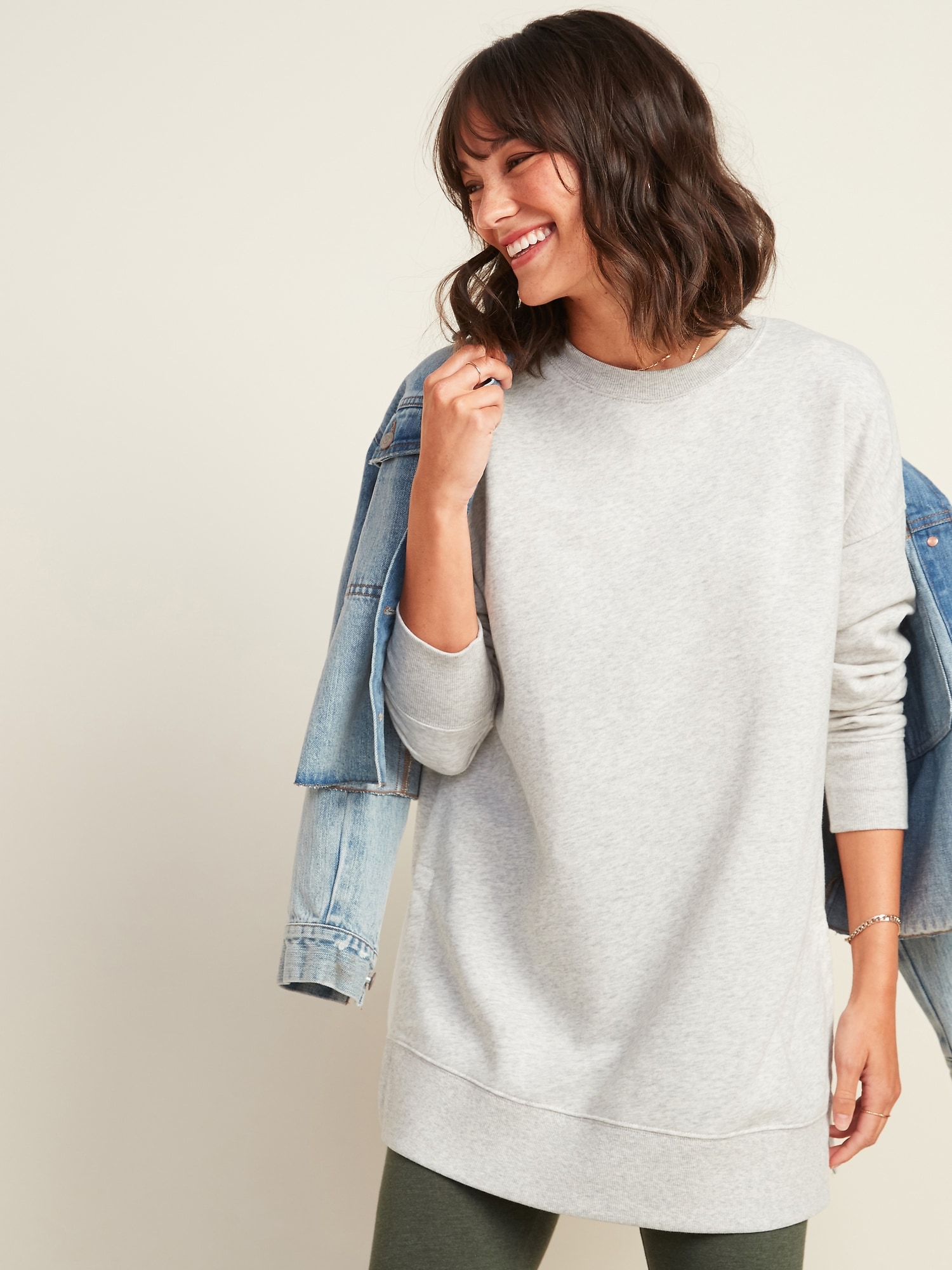
Sweatshirts are long-sleeved pullover tops that are made of thick cotton cloth. They are typically worn as casual clothing, and are not so formal as sweaters and cardigans. They may not have the or hood. If you're thinking of buying a sweatshirt, here are a few tips:
Norma Kamali spread the appeal of sweatshirts
Since the end of the 70s in the late '70s, Norma Kamali has been transforming the simple sweatshirt into a work of art. Her designs have become a staple in almost all women's wardrobes. Her distinctive designs range from a tummy-tucking crew neckline to leather-paneled sweatshirts. Her clothing is also designed in unusual forms, such as a tank top with an oversized trumpet skirt.
The collaboration with the brand and sweatshirt manufacturer Everlast led to her Timeless collection, which became hugely popular when it debuted in Spiegel's spring 2006 catalog. The collection offered knits that could be interchangeable or convertible in classic silhouettes, and many pieces were priced under $20. Even if Kamali's Timeless collection was not available in stores, buyers were able to find the pieces on eBay or Poshmark.
Merino wool sweatshirts tend to be more comfortable than soft sweatshirts
Merino wool is known for its moisture-wicking properties which help to keep you dry and comfortable. Merino wool is an organic fiber that also has a smoother feel. The fabric also dries quickly when compared with other natural substances. Additionally, merino is a renewable resource. Merino sheep shed their coats every year , and then grow new coats.
Extra resources -to-weight ratio of merino wool makes it an ideal material for sweatshirts. It aids in controlling the temperature of your body due to its loft that naturally retains heat between the fibers. This is why Merino wool sweater s are great for summer and outdoor activities such as mountain biking and running. The warmth they provide ensures that the wearer stays comfortable and dry. This is essential when working out.
Zip-front hoodies come with kangaroo pockets.
Kangaroo pocket Hoodies are a well-loved style of hoodies. These hoodies feature a huge pocket at the front which keeps your hands warm during cold days. They're much more practical than traditional pockets as they allow your hands to slide into and out easily.
The pockets of Kangaroos are typically big enough to hold an entire wallet or small items for personal use. They're usually big enough to hold one hand in a smaller size, and can even be wide enough to fit two hands. They have wide openings on both sides and can be used to carry small objects.
French Terry fabric is a well-loved fabric for sweatshirts.
The French Terry fabric is composed of soft yarns knitted into loops and is typically midweight. It is also renowned for its ability to wick away moisture and is already pre-shrunk. French terry is a great choice for sweatshirts because it is warm when you require it and keeps your cool when you want to cool off.
French Terry is also a popular choice for loungewearbecause it is stretchy enough and has enough flexibility to feel comfortable on your skin. It also allows for enough air to circulate throughout the fabric, which makes it ideal for layering under other clothing. Furthermore, since it's lighter than most sweatshirts that you can wear throughout the year without feeling hot or cold.
Hoodies can be classist.
Although sweat shirts could appear that hoodies are appropriate clothes for those who are working class however, in reality they have a classist connotation. The hooded clothing was popular in the late 1970s , in New York, where graffiti artists would wear them to conceal their identities. In 1976 the hoodies made their big film debut in "Rocky," when the protagonist of the film was a working class man in hooded gray sweats on his memorable climb up the Philadelphia Museum of Art.
Hoodies are usually associated with destruction, death and other negative items, yet they can also be used for practical reasons. For example, monks and priests can wear hoods to demonstrate modesty and inward focus.